


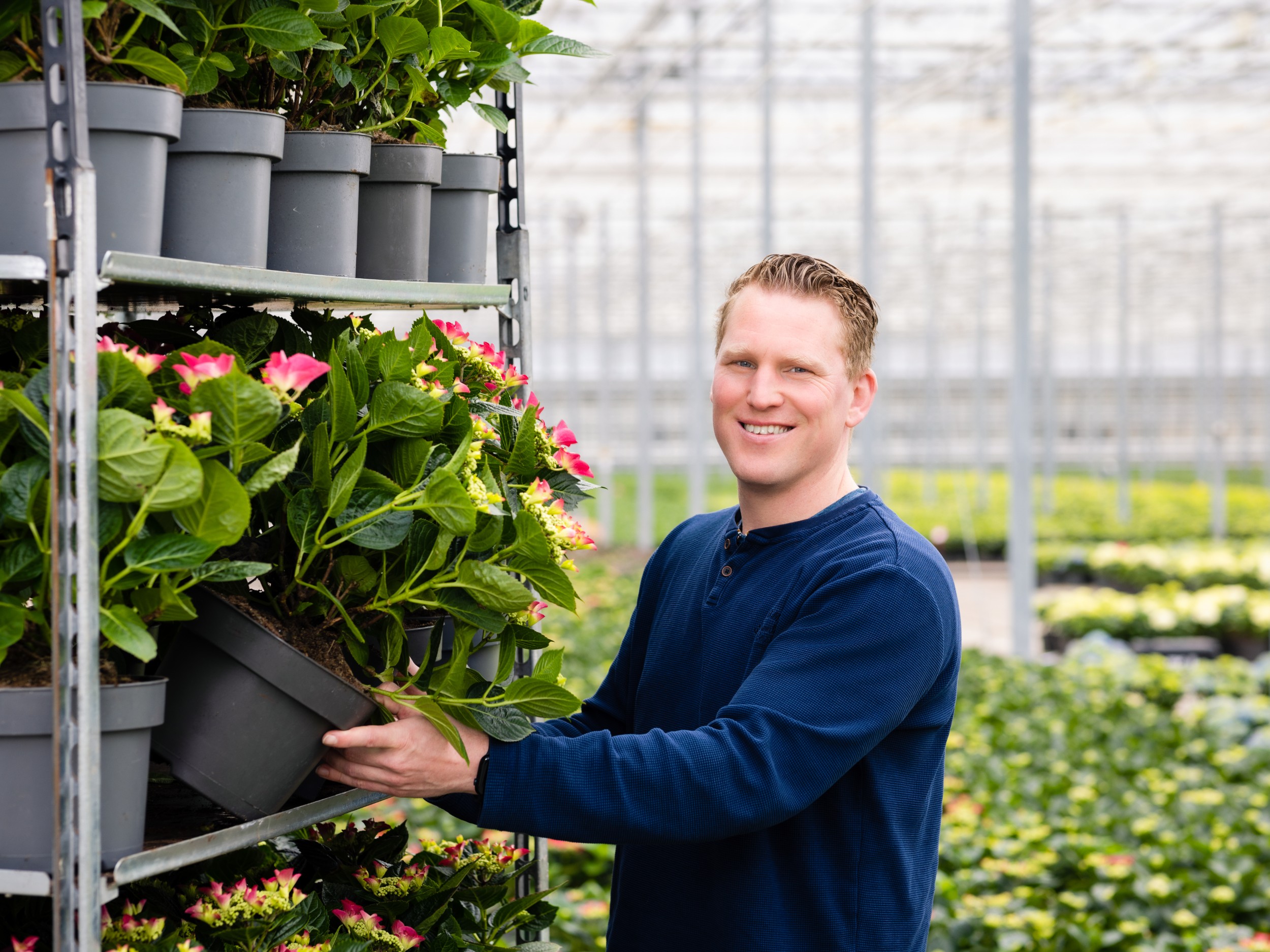

Samore Flower Farm:
inclusive entrepreneurship in Ethiopia
Dutch growers Alexander, Mathieu Barendse and Rene van Dijk are major shareholders in Samore Flower Farm. In Ethiopia, they are proving that commercial success and inclusive entrepreneurship go hand in hand. "Setting up a company is the best form of development cooperation."

View article
Sowing and Reaping
“In Portugal, we can benefit more from nature”
Sjaak van Schie BV specialises in growing hydrangeas. The company supplies these flowers throughout Europe, to various types of customers and in all forms, from cutting to flowering finished product. It does so from its HQ in Maasdijk as well as from Portugal. Thanks to its modern facility in southern Europe, Sjaak van Schie can deliver year-round, in the most sustainable way possible.
View article
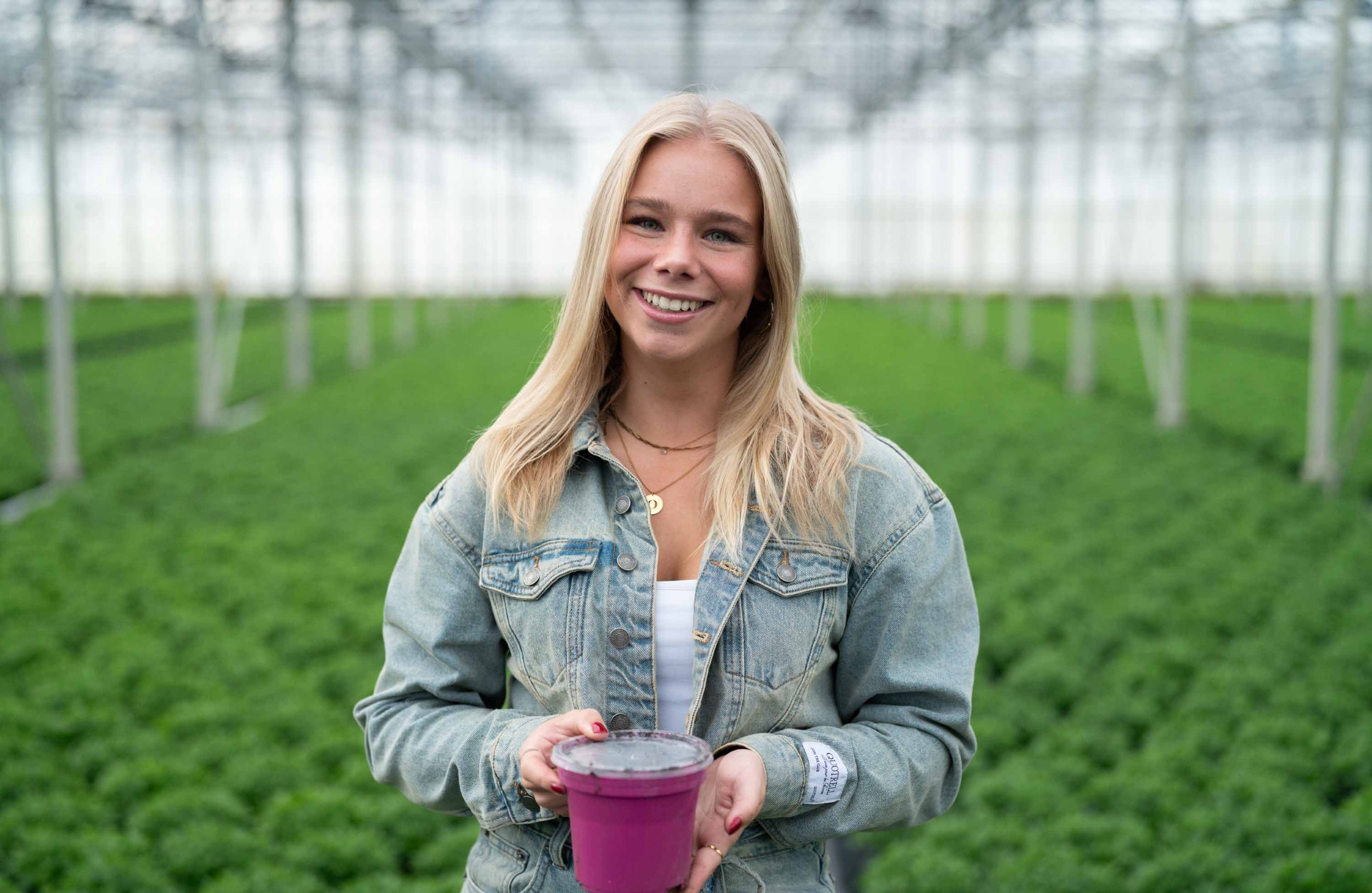
Members have their say
How are you building a sustainable floriculture sector?
The best sustainable innovations come from the floriculture sector itself. Growers are developing smart solutions for their own gardens or greenhouses, and scaling up to share their knowledge with more entrepreneurs. The Sustainability Award brings together the best developments in sustainability each year, the icing on the cake being a prize for the three best ideas.
View article
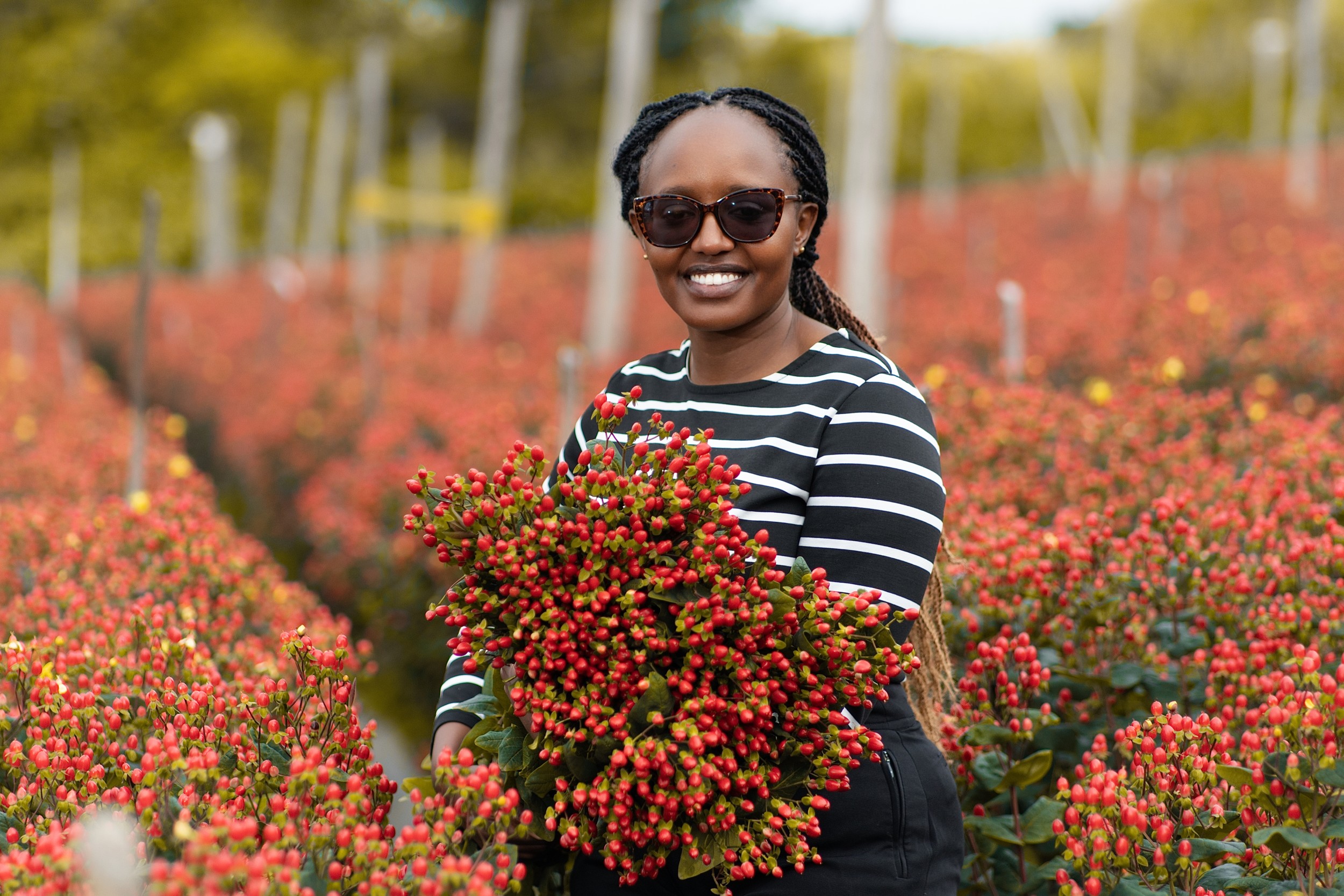
FLORATALK
Floriday is indispensable in our operations
Our cooperative offers services for Dutch and international members. This is why we are and will remain the largest international floriculture platform. But how do international growers use these services, and do they see room for improvement? We discuss this question with Eunice Nduta, sales and marketing manager and co-director of Benev Flora in Kenya.
View article
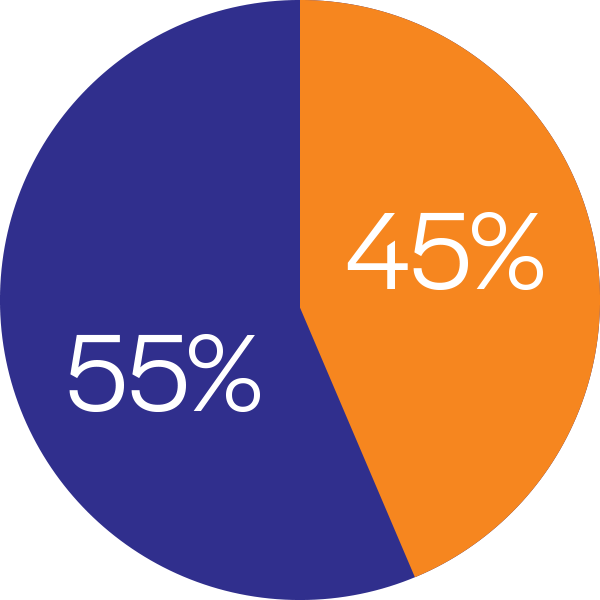
Agree
Disagree
Voting result from the member newsletter dated 25-02-2026
The issue
"International supply is necessary for the future of the cooperative."
View article
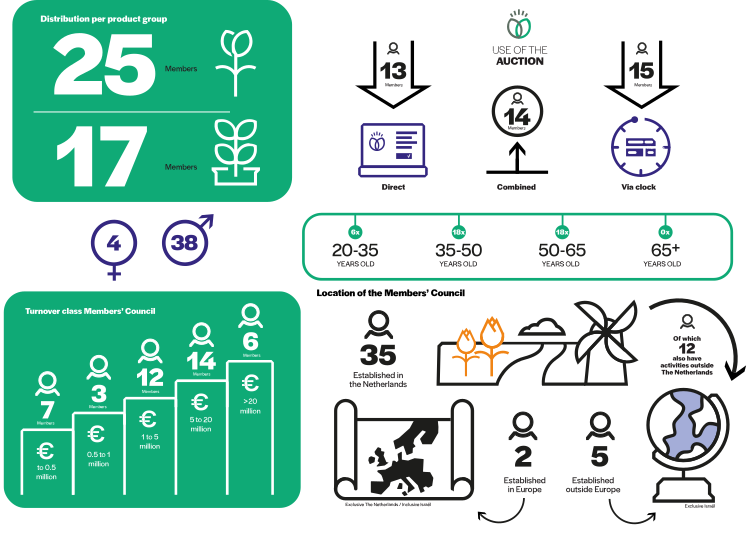
Members' Council
Members' Council 2026
To properly reflect the membership base, the Members' Council is a mix of people and backgrounds that are representative of the current membership base. This is this year's composition.
View article
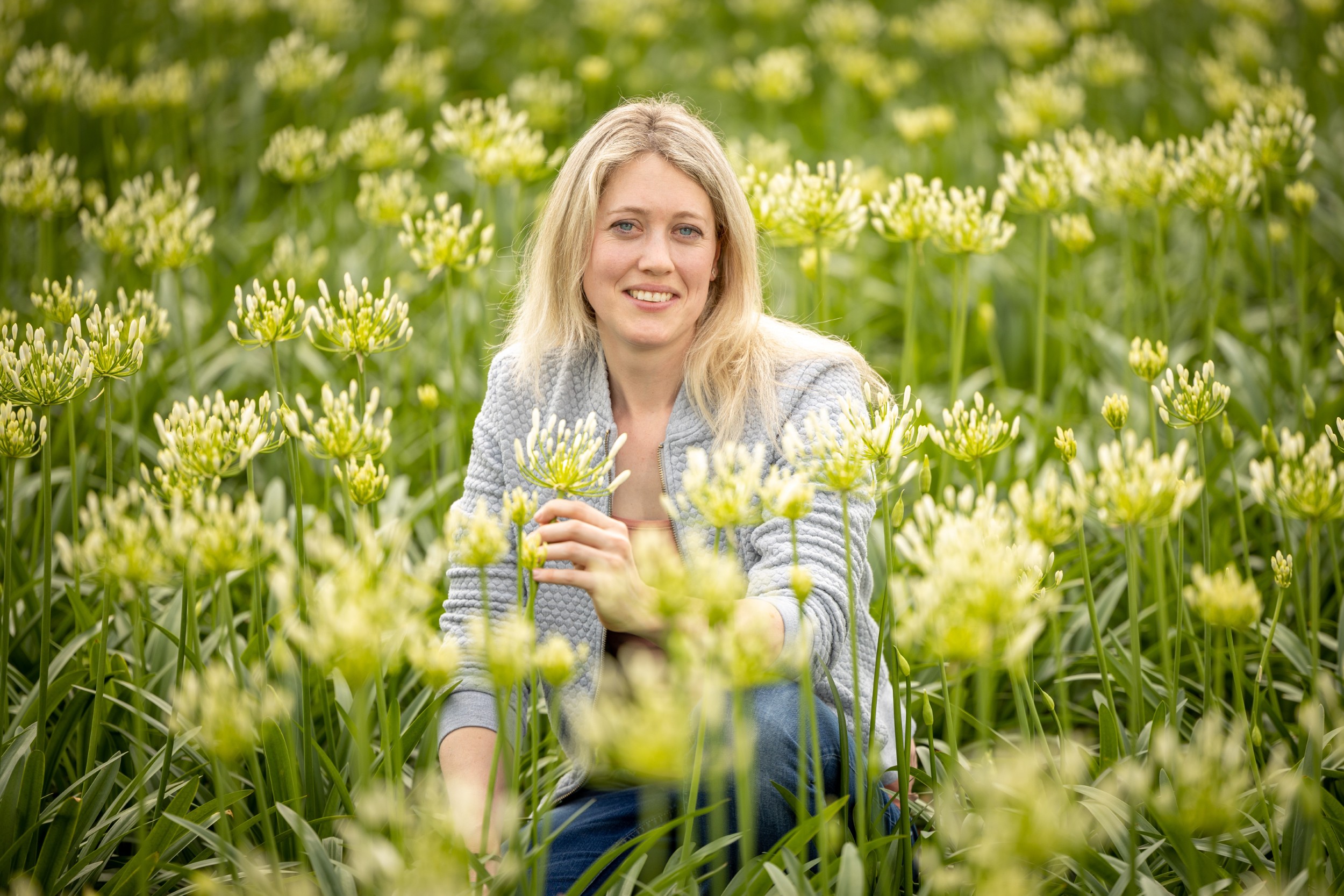
Members' Council speaks
"I will take my experience from the Youth Council to the Members' Council"
Bianca van Eijk (37) is one of seven new members of the Members' Council from 1 January 2026. She introduces herself briefly.
View article
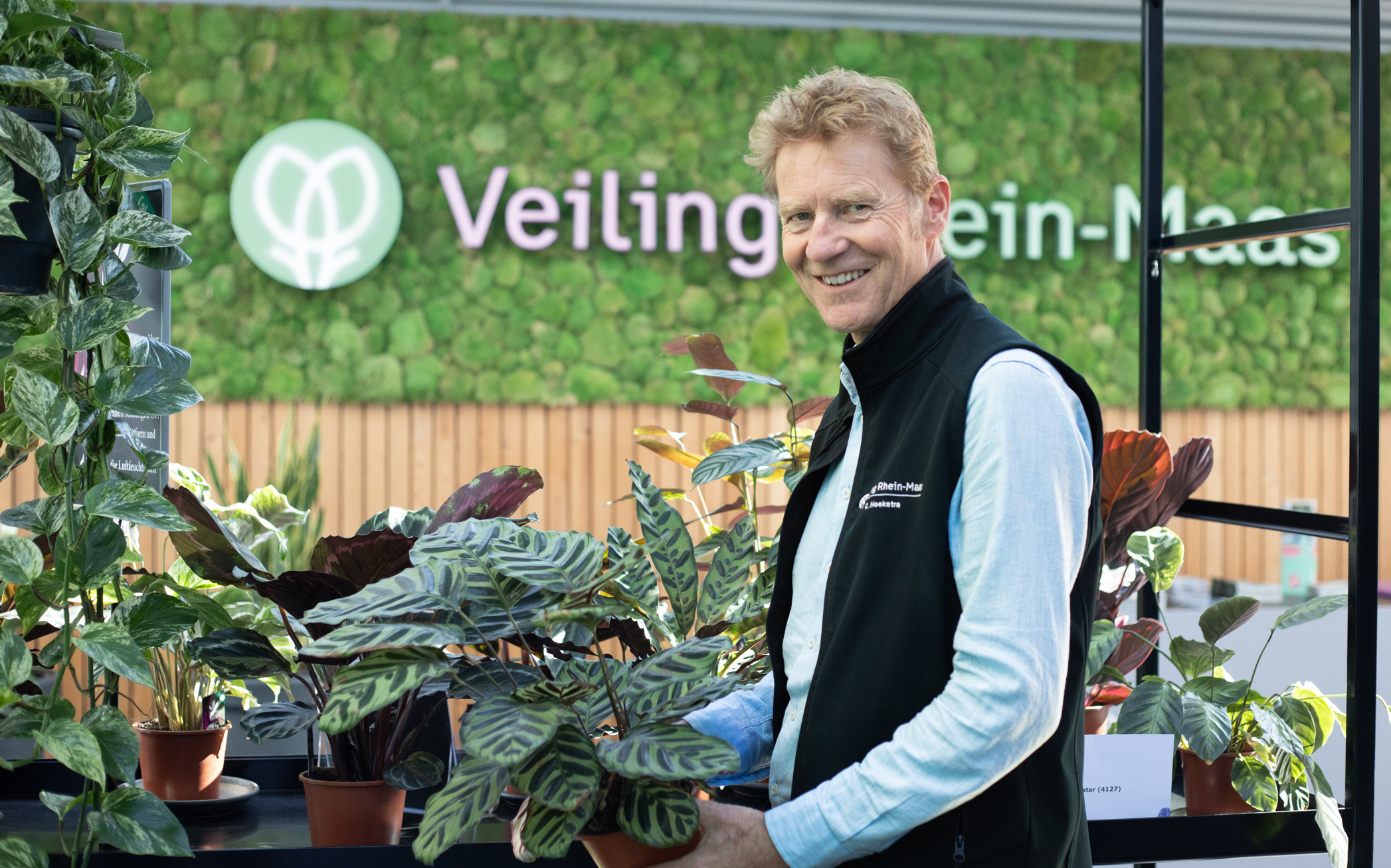
Trading across borders:
Four questions for Veiling Rhein Maas
Access to 90 million German consumers? Thanks to Veiling Rhein Maas - a joint venture between Royal FloraHolland and Germany's Landgard - this is relatively easy. Four questions for managing director Cees Hoekstra.
View article
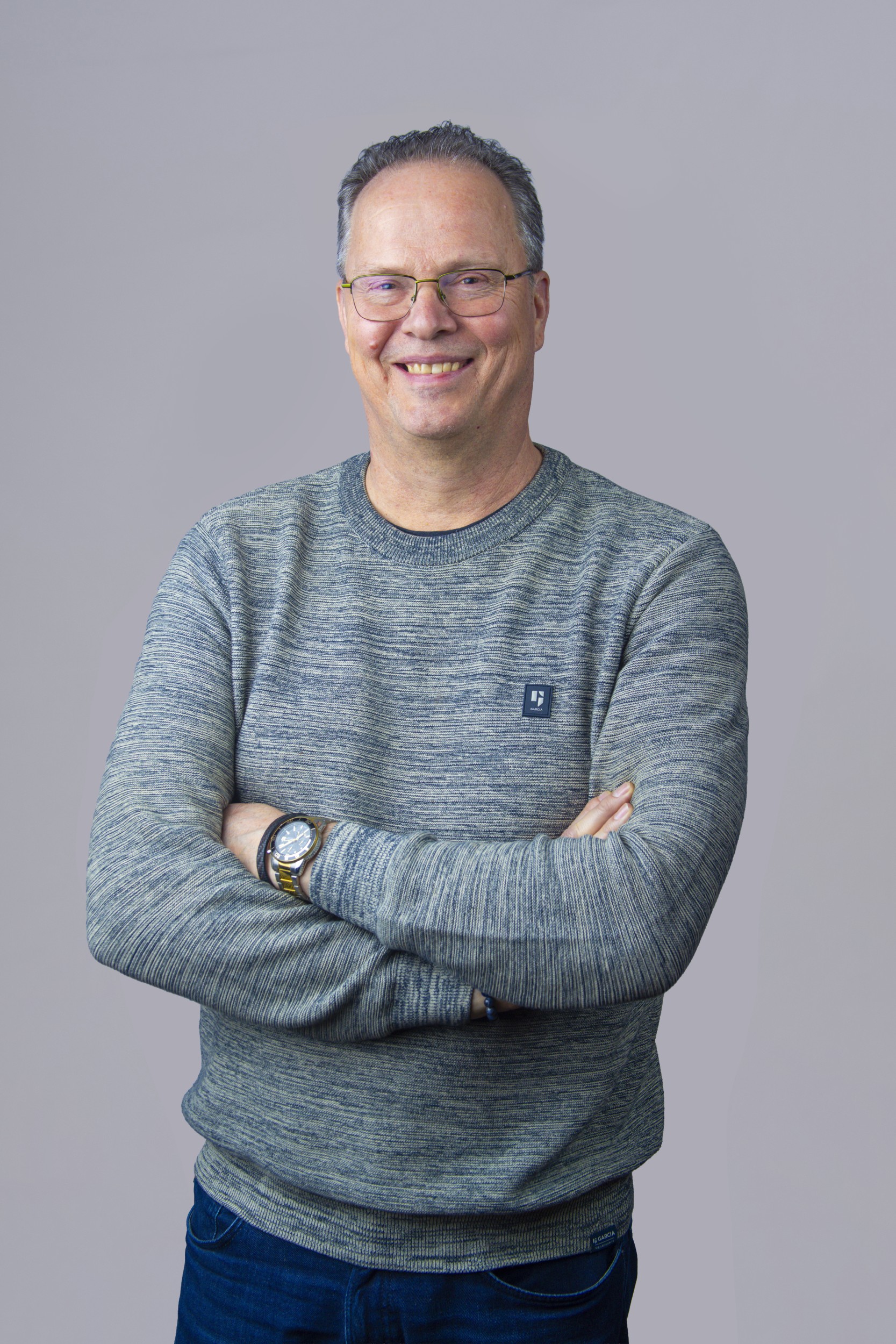
CHAIRMAN SPEAKING
‘Together we can make the greatest impact’
We are an international cooperative. As a result, we have members with different backgrounds and different interests, but each member breeds with a love for nature.
View article
IN THE NEWS
Our cooperative in the news
News
CALENDAR
Upcoming events
View calendar