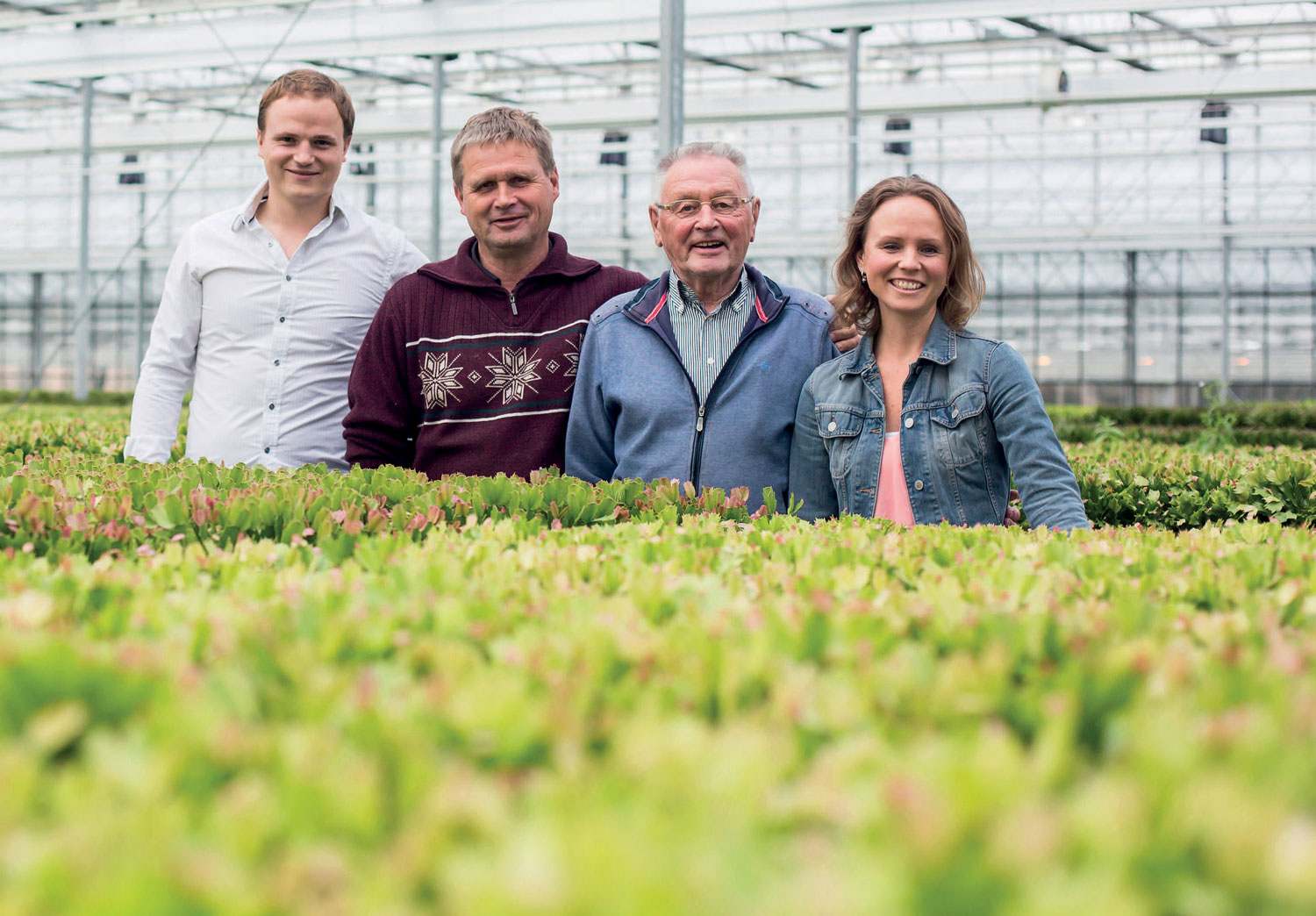



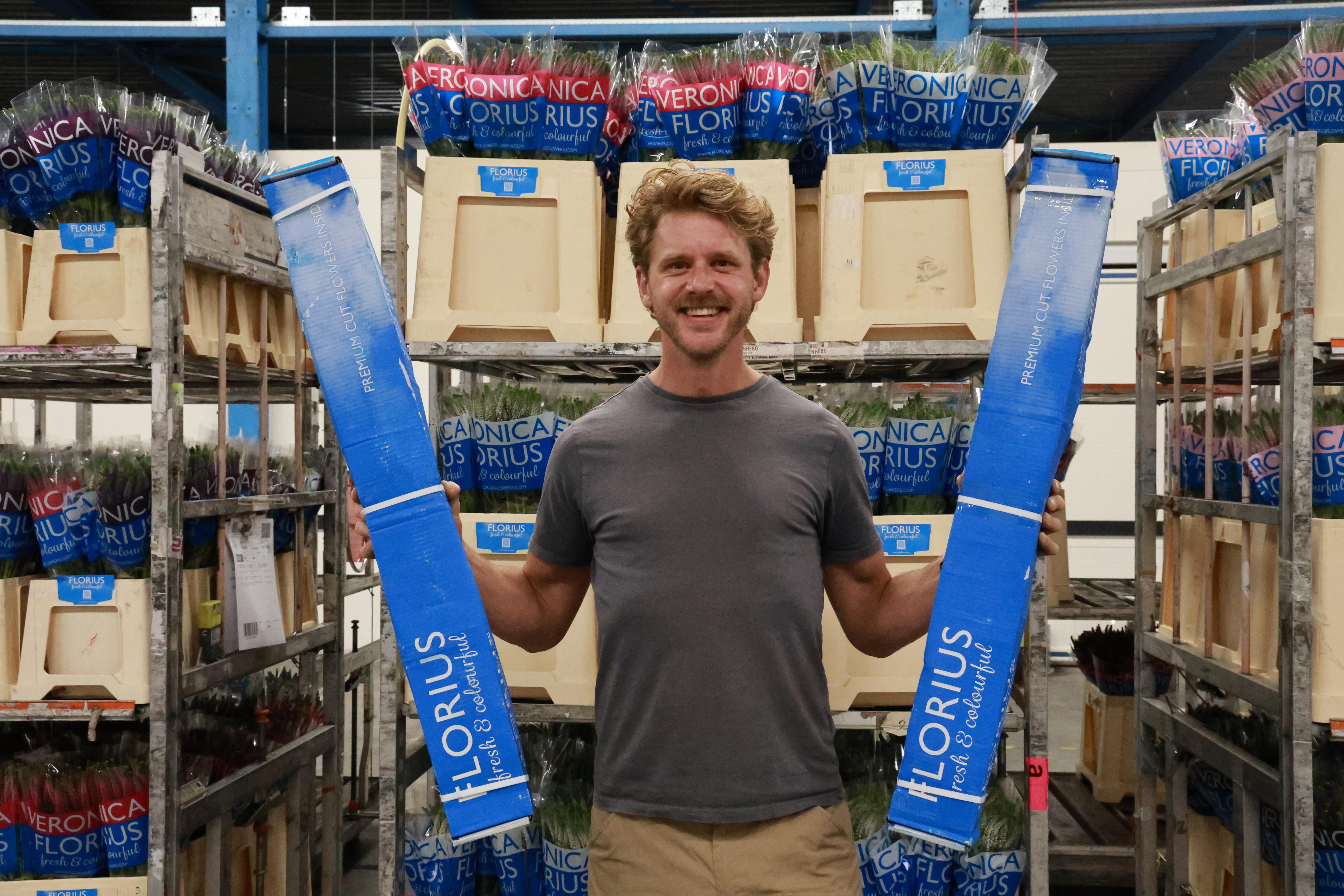



“Yes, you can certainly call Florius Flowers a family business,” says Bastian. “Several families have been merged into this business. My father, Wim van den Hoogen, started Florius with fellow grower Bas Vloet. They are both still involved. My brother also works in the business.”
Global player
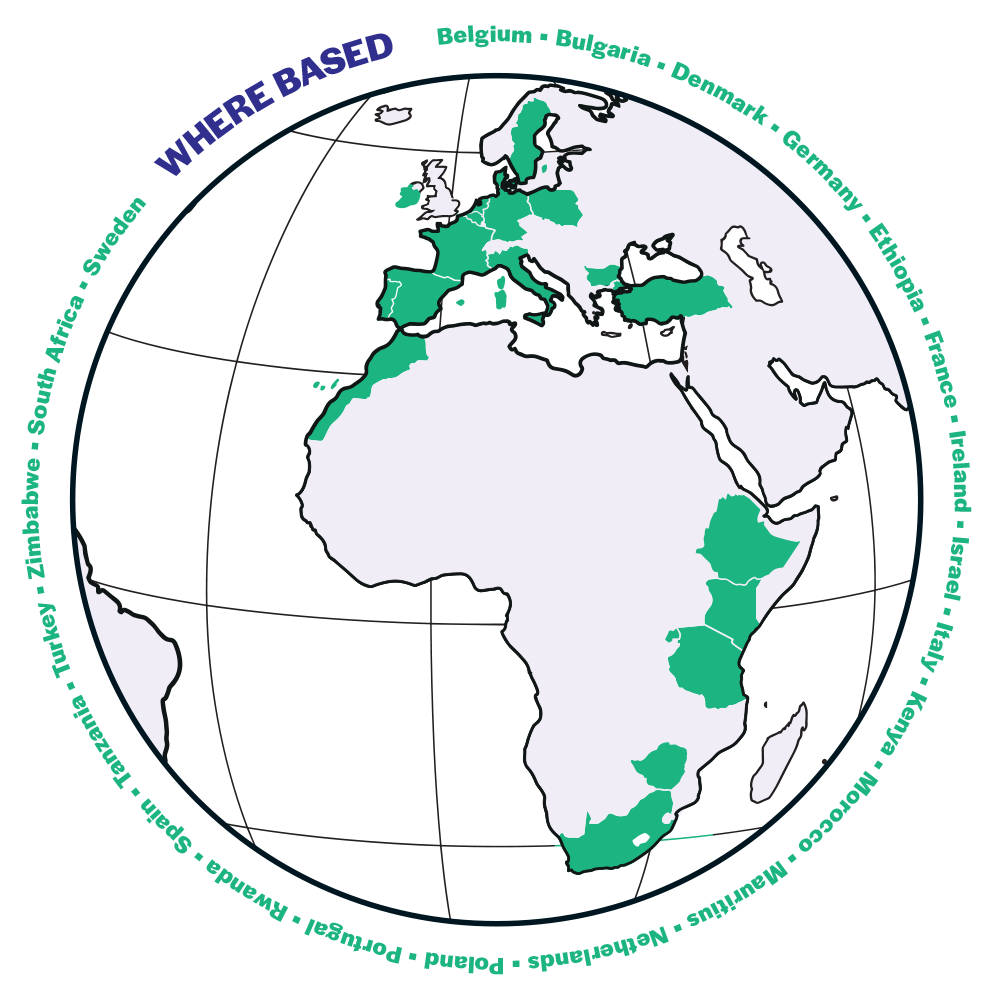
Florius Flowers has been innovating from the very beginning. Bas and Wim were pioneers when they made the move to Kenya in 1995, driven by their passion for breeding plants. Working with their partner farms, they started cultivating Hypericum Coco and Veronica Smart cut flowers there. Later, a nursery was established in Ethiopia, and since 2020, also in Colombia. The Research & Development department is still located in Cuijk, Brabant.
“We supply the whole world with flowers we have bred ourselves,” says Bastian. The Netherlands and Europe remain a major market, but Florius also supplies customers in Japan, Australia, the Middle East and North America. We can serve the North American market more easily from South America, closer to the source. That is how we ended up in Colombia.”
Flowers in boxes
In North America and Japan, Florius mostly sells flowers in boxes to supermarkets, wholesalers and florists. “This allows us to deliver a higher quality product to the end customer,” says Bastian, who explains that the process in the Netherlands is more cumbersome. “When the flowers arrive here, even in boxes, they are unpacked in Cuijk and transported to the auction in a bucket of water. They then take up more room than when in boxes.”
Bastian continues: “The flowers’ vase life also begins at this stage, as they are exposed to fluctuations in temperature and humidity, as well as other environmental conditions. When flowers are later exported, they are sometimes taken out of the bucket and put back into a box. Those are unnecessary actions that cost time, quality and money.”